
Mimosa Hostilis, also known as Mimosa tenuiflora, is a plant native to the tropical regions of South and Central America, renowned for its potent medicinal properties. Particularly, the inner root bark of this tree has gained significant attention in herbal healing practices due to its wide range of therapeutic applications. One of the key reasons for its popularity in herbal medicine is its natural abundance and sustainability, making it a valuable resource for those seeking eco-friendly alternatives in health and wellness. The inner root bark of Mimosa Hostilis has been used for centuries by indigenous cultures for its powerful healing qualities. It is most commonly associated with its ability to treat a variety of skin ailments, such as wounds, burns, and rashes. The bark contains compounds like tannins, flavonoids, and alkaloids, which contribute to its anti-inflammatory, antimicrobial, and antioxidant effects. When applied topically, Mimosa Hostilis root bark extract helps to promote tissue regeneration and reduce infection, speeding up the healing process of damaged skin.
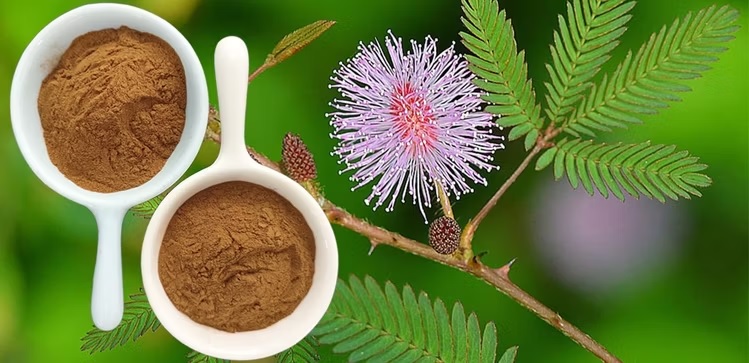
Beyond its topical applications, the inner root bark of Mimosa Hostilis is also used in traditional medicine to support internal health. It has been used in the treatment of gastrointestinal issues, including diarrhea and ulcers, owing to its ability to soothe the digestive tract and reduce inflammation. Moreover, some studies suggest that the root bark has immunomodulatory effects, potentially boosting the body’s natural defense mechanisms against infections. In the realm of herbal healing, Mimosa Hostilis is also prized for its potential psychoactive properties, particularly in the context of its use in ayahuasca ceremonies. While the bark itself contains DMT dimethyltryptamine, a powerful psychoactive compound, it is often combined with other plants that inhibit the enzyme that breaks down DMT to allow for its profound effects when ingested in ceremonial settings. The use of Brazilian MHRB in this capacity has been a subject of interest for researchers exploring its potential in spiritual healing, consciousness exploration, and therapeutic applications in mental health treatment.
Sustainability is an increasingly important factor in the harvesting of Mimosa Hostilis, particularly as demand for the plant grows globally. The tree is typically grown in the wild, and overharvesting could threaten its natural population. However, responsible harvesting practices, such as allowing the tree to regenerate after cutting and ensuring that only a portion of the root bark is taken, can mitigate these risks. Additionally, as the plant thrives in a variety of soil conditions and climates, there is potential for its cultivation in controlled environments, such as organic farms, to ensure a sustainable supply. Moreover, the versatility of Mimosa Hostilis extends beyond herbal healing. The fibers of the tree are often used in textile production, and its seeds can be harvested for oil extraction, which has applications in cosmetics and skincare products. These secondary uses make the tree even more valuable in terms of its overall contribution to sustainable resources. By utilizing all parts of the plant in various industries, the demand for Mimosa Hostilis can be met without compromising the environment. Mimosa Hostilis inner root bark stands as a remarkable example of how nature provides us with powerful healing resources.