
Travel becomes more enjoyable when transportation is comfortable, flexible, and easy to arrange. Vehicle hire services give travelers the freedom to plan their journeys according to personal preferences, schedules, and travel goals. Whether exploring new surroundings, attending important events, or spending quality time with family, choosing a suitable vehicle can make every trip more convenient and memorable.
Enjoy Greater Freedom Throughout Your Journey
Flexible transportation allows travelers to experience their journeys at their own pace. Instead of following fixed schedules, they can choose departure times, plan interesting stops, and enjoy comfortable travel with greater independence. Convenient arrangements make vehicle hire suitable for different occasions, helping individuals and families feel confident about their transportation choices.
Select Vehicles That Match Your Travel Needs
Choosing the right vehicle helps create a comfortable experience for every passenger. Travelers can consider group size, luggage requirements, journey duration, and personal preferences when comparing available options.
Useful features to consider include:
- Comfortable seating: Spacious interiors help passengers relax during short and extended journeys.
- Adequate luggage capacity: Suitable storage makes carrying travel bags and personal belongings easier.
- Fuel efficiency: Economical vehicle options can help travelers manage transportation expenses.
- Easy driving experience: Practical controls and good visibility support a more comfortable journey.
- Flexible vehicle choices: Different vehicle sizes help accommodate individual travelers, couples, and families.
Make Travel Arrangements Simple And Convenient
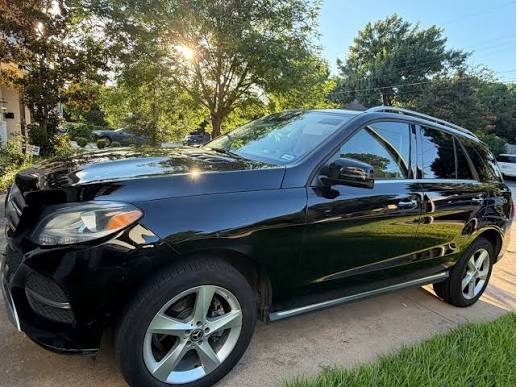
Planning transportation in advance helps travelers organize their schedules with greater confidence. Reviewing vehicle availability, rental durations, collection arrangements, and return requirements allows people to prepare for their journeys without unnecessary confusion. For travelers considering เช่ารถดอนเมือง, understanding the available vehicle options and rental conditions can help make the selection process more straightforward. Clear arrangements support a smoother experience from the beginning of the trip to its completion.
Discover More With Flexible Transportation
Vehicle hire gives travelers more opportunities to enjoy meaningful experiences without depending entirely on fixed transportation schedules. With greater flexibility, they can adjust plans, explore additional attractions, and spend more time enjoying activities that interest them.
The benefits extend across many travel situations.
- Family outings: Comfortable vehicles make shared journeys more enjoyable for everyone.
- Business commitments: Reliable transportation helps professionals organize appointments efficiently.
- Weekend escapes: Flexible travel arrangements make short breaks easier to plan.
- Personal errands: Convenient access to a vehicle helps manage multiple activities in one outing.
- Extended holidays: Suitable rental durations support longer adventures and relaxed itineraries.
Enjoy Confidence Through Reliable Service
A positive vehicle hire experience depends on clear communication and dependable arrangements. Reviewing rental policies, insurance coverage, vehicle condition, and assistance options helps travelers understand what to expect before collecting their chosen vehicle. Helpful customer support can also make the process easier, particularly for people arranging a rental for the first time. When important details are explained clearly, travelers can make informed decisions and begin their journeys with greater peace of mind.
Create Memorable Experiences On Every Trip
Convenient vehicle hire brings together comfort, flexibility, and independence to support enjoyable travel experiences. Selecting a suitable vehicle and preparing rental arrangements ahead of time helps travelers make the most of their schedules while keeping transportation manageable. With thoughtful planning and dependable service, every journey can become an opportunity to explore, connect with loved ones, and discover something new. The right vehicle hire option makes traveling feel simpler, more comfortable, and more rewarding from departure to arrival.