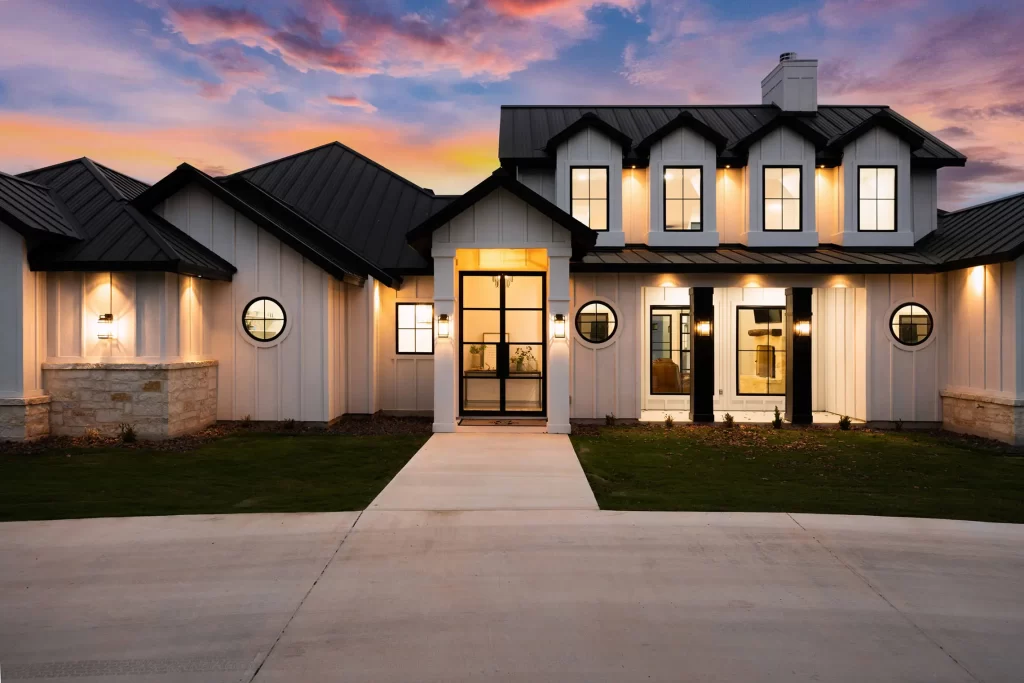
A home should reflect the way people live, relax, work, and connect with loved ones. Custom home builders help transform individual ideas into thoughtfully designed spaces, combining practical layouts, personal preferences, and modern comforts to create homes that feel welcoming and uniquely suited to everyday life.
Personalized Designs Reflect Individual Lifestyles
Every household has different priorities, which makes personalization an important part of creating a comfortable home. Custom planning allows homeowners to consider their routines, preferences, and future needs when shaping each space.
- Creates layouts tailored to individual lifestyles
- Provides flexibility in room arrangements
- Supports personal design preferences
- Makes better use of available spaces
- Encourages a strong sense of ownership
Functional Spaces Improve Daily Living
A well-designed home balances beauty with practicality. Thoughtful planning can make everyday activities easier while ensuring each room contributes to a comfortable and organized living environment.
- Creates practical and efficient floor plans
- Supports convenient movement between rooms
- Provides purposeful spaces for different activities
- Encourages better organization throughout the home
- Makes daily routines feel more comfortable
Modern Features Add Everyday Convenience
Contemporary homes can include features that support comfort, efficiency, and enjoyable living. Homeowners can select details that complement their lifestyle while creating an environment designed around modern expectations.
- Incorporates convenient living features
- Supports comfortable everyday routines
- Creates adaptable spaces for changing needs
- Encourages efficient use of household areas
- Adds lasting value through thoughtful planning
Quality Craftsmanship Builds Lasting Appeal
Careful construction and attention to detail contribute to a home’s beauty, strength, and long-term enjoyment. A focus on quality helps ensure that personalized design choices become dependable parts of the finished living space.
- Emphasizes detailed workmanship
- Supports durable and attractive finishes
- Creates consistency throughout the home
- Encourages lasting comfort and functionality
- Adds confidence to the building experience
Flexible Spaces Support Changing Needs
A thoughtfully planned home can adapt as lifestyles evolve. Flexible rooms and versatile layouts give households opportunities to use their spaces differently over time, making the home practical for both current and future requirements.
- Supports multipurpose rooms
- Provides adaptable areas for changing routines
- Accommodates growing household needs
- Encourages creative use of available space
- Promotes long-term residential comfort
Personal Choices Create Unique Interiors
Interior details help bring personality into a home. From room proportions to finishes and decorative elements, homeowners can make choices that create an environment aligned with their preferred style and everyday comfort. custom home builders Mona Vale can support personalized planning focused on creating distinctive living environments.
- Reflects individual tastes and preferences
- Creates cohesive interior spaces
- Allows thoughtful selection of finishes
- Adds personality to everyday surroundings
- Makes each room feel purposeful
Thoughtful Planning Creates Complete Homes
Successful custom home design begins with understanding how a household wants to live. Careful planning brings functionality, comfort, style, and personal requirements together, resulting in spaces that feel natural and enjoyable.
- Encourages clear design decisions
- Supports efficient use of every room
- Balances practical and aesthetic priorities
- Creates comfortable environments for everyday life
- Helps turn personal ideas into welcoming spaces
Homes Designed For Modern Living
Custom-built homes offer an opportunity to create spaces that feel personal, practical, and inspiring. With thoughtful design, quality construction, and flexible planning, homeowners can enjoy surroundings that support their lifestyle while providing comfort and satisfaction for years to come.