
Bats play a crucial role in maintaining ecological balance, controlling insect populations, and even contributing to pollination. Providing a well-designed bat shelter not only supports these essential creatures but also helps homeowners and conservationists manage bats in a safe and controlled manner. A premium wood bat shelter, crafted for maximum colony comfort, is an ideal solution for those looking to offer a secure and long-lasting habitat for bats. One of the key features of a high-quality bat shelter is the use of durable, weather-resistant wood. Cedar, for example, is an excellent choice due to its natural resistance to decay and pests. Unlike cheaper alternatives that may deteriorate quickly, a premium wood bat house ensures longevity and reliability, offering a stable environment for bats to roost. Additionally, the design must incorporate proper ventilation and insulation to regulate internal temperatures. Bats prefer warm, stable conditions, so a well-ventilated yet thermally efficient shelter provides an ideal microclimate that encourages colony growth.
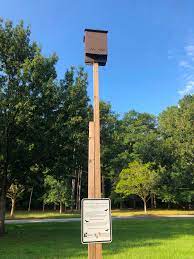
Size and internal structure are also critical factors in ensuring maximum colony comfort. A well-designed bat shelter should have multiple chambers to accommodate various bat species and allow for population expansion. The interior should feature roughened wood or grooves that provide bats with an easy grip, mimicking the texture of tree bark where they naturally roost. Proper spacing between chambers is essential, ensuring bats can cluster together for warmth while also having enough space to move freely. Another important consideration is the placement and mounting of the bat shelter. Ideally, it should be installed at least 12 to 20 feet above the ground, on a sturdy pole or the side of a building, away from predators such as raccoons and snakes. The location should receive at least six to eight hours of direct sunlight daily to maintain the necessary warmth for the colony.
Additionally, placing the shelter near a water source, such as a pond, lake, or stream, increases the likelihood of attracting bats, as they require water for hydration and hunting insects. A premium wood bat shelter is also designed with a sloped, waterproof roof to protect against rain and harsh weather conditions. The entrance should be narrow enough to keep out larger predators while allowing easy access for big bat box. A well-sealed, carefully constructed shelter minimizes the risk of drafts or moisture buildup, preventing mold and other issues that could deter bats from staying long-term. By investing in a thoughtfully designed bat shelter made from premium wood, homeowners, gardeners, and conservationists can support local bat populations while benefiting from natural pest control. Encouraging bats to inhabit a dedicated structure rather than attics or sheds also reduces conflicts between humans and wildlife. With the right materials, design, and placement, a bat shelter can serve as a comfortable and sustainable home for generations of bats, contributing to a healthier ecosystem overall.